Now that there have been cases of Covid-19 identified in South Africa, it seems a good time to talk about it. To clarify, Covid-19 is the disease caused by the coronavirus. Coronaviruses are a large family of viruses that cause illness ranging from the common cold to more severe diseases such as SARS.
There is a lot of good advice available in the press and on the Internet – here are a summary of my thoughts and recommendations.
Wash your hands frequently
Regularly and thoroughly clean your hands with an alcohol-based hand rub or wash them with soap and water.
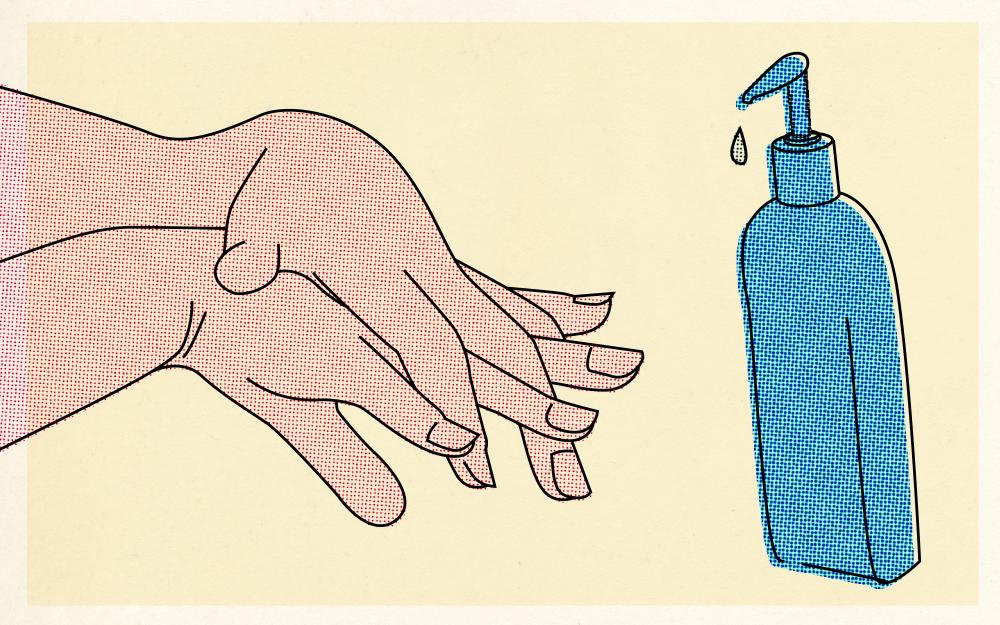
Why? Washing your hands with soap and water or using alcohol-based hand rub kills viruses that may be on your hands.
Maintain social distancing
Maintain at least one metre distance between yourself and anyone who is coughing or sneezing.
Why? When someone coughs or sneezes they spray small liquid droplets from their nose or mouth which may contain virus. If you are too close, you can breathe in the droplets, including the COVID-19 virus if the person coughing has the disease.
Avoid touching your eyes, nose and mouth
Why? Hands touch many surfaces and can pick up viruses. Once contaminated, hands can transfer the virus to your eyes, nose or mouth. From there, the virus can enter your body and can make you sick.
Practice respiratory hygiene
Make sure you, and the people around you, follow good respiratory hygiene. This means covering your mouth and nose with your bent elbow or tissue when you cough or sneeze. Then dispose of the used tissue immediately.
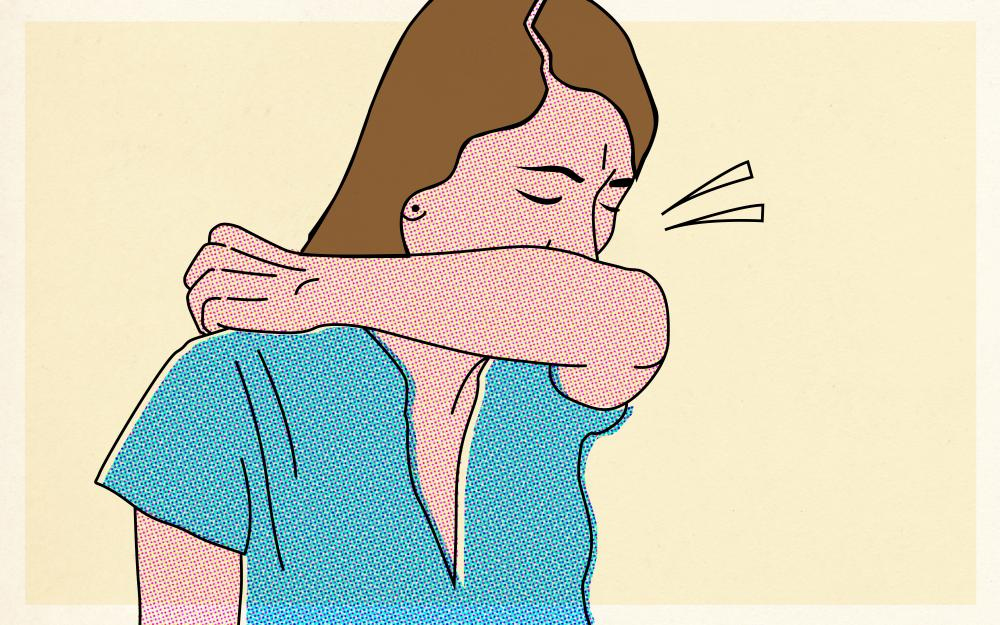
Why? Droplets spread virus. By following good respiratory hygiene, you protect the people around you from viruses such as cold, flu and COVID-19.
Face Masks
Face masks have become almost synonymous with the coronavirus outbreak overseas, but they don’t do much to protect you.
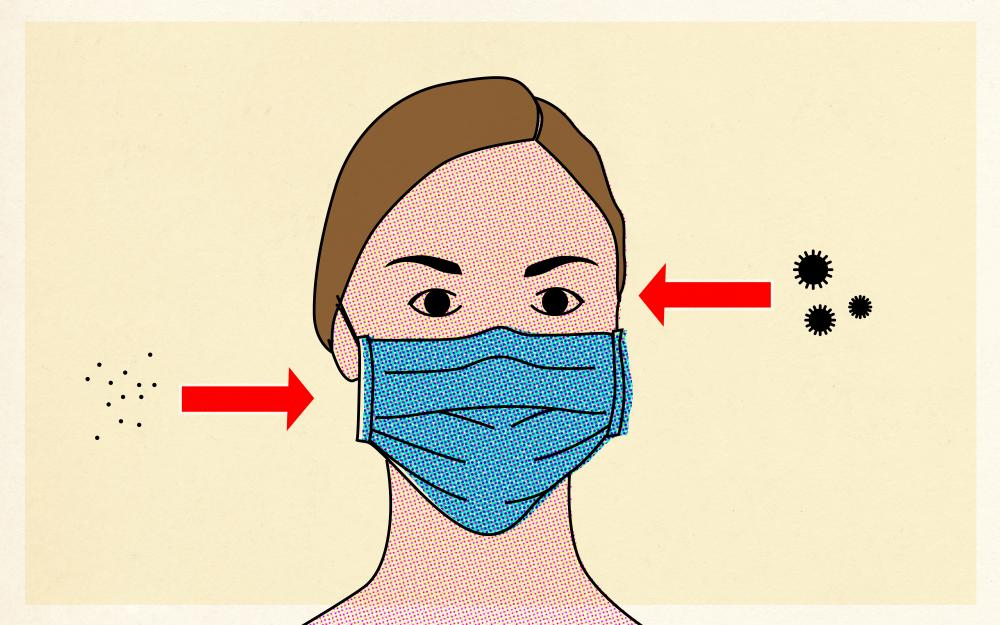
Why? Most surgical masks are too loose to prevent inhalation of the virus. Infectious disease specialists do not recommend face masks if you’re healthy. But if you’re a health care worker or are caring for sick people at home or in a health care facility, you should wear one. Also, if you’re infected, masks can help prevent the spread of a virus.
If you have fever, cough and difficulty breathing, seek medical care early
Stay home if you feel unwell. If you have a fever, cough and difficulty breathing, seek medical attention and call in advance. Follow the directions of your general practitioner.
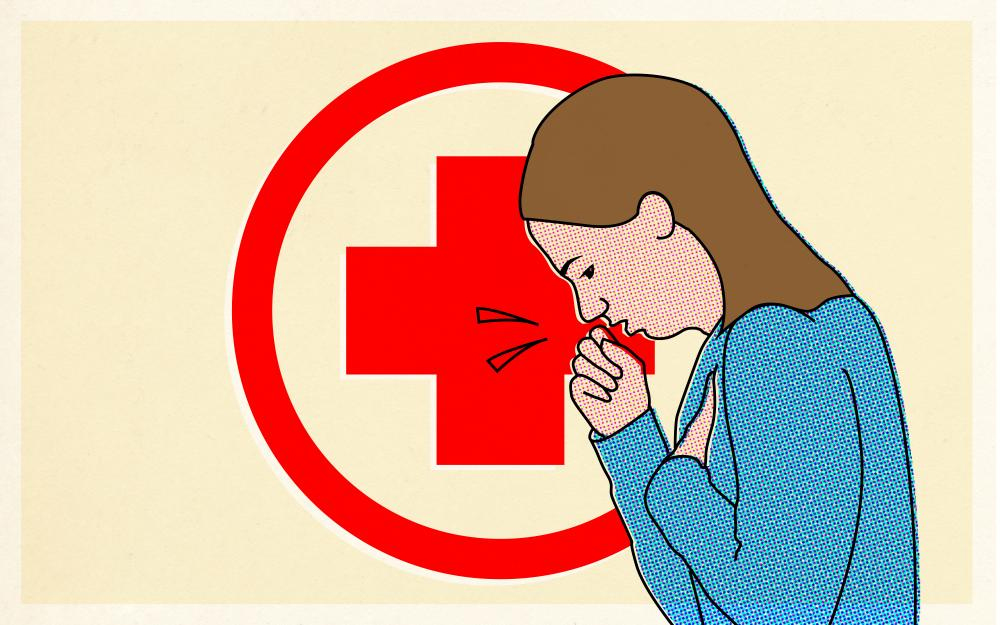
Why? Calling in advance will allow your health care provider to quickly direct you to the right health facility. This will also help to prevent possible spread of COVID-19 and other viruses. Stay informed and follow advice given by your healthcare provider
Evaluate your Travel Plans
If you are planning to travel outside South Africa check the status of Covid-19 in your planned destination.
Why? All the cases currenlty logged in South Africa have arisen from an airline flight from an infected area of Italy.
Stay informed on the latest developments.
Follow advice given by your healthcare provider, your national health authority or your employer on how to protect yourself and others from COVID-19.
Why? The National Institute for Communicable Diseases (NICD) has the most up to date information on whether COVID-19 is spreading in your area. They are best placed to advise on what people in your area should be doing to protect themselves. If you are genuinely concerned, call the NICD’s general public hotline at 0800-029-999, Monday to Friday, 8am to 4pm.
Be aware that over 80% of cases of Covid-19 are mild; people only experience a slight fever, fatigue and a possible cough. According to the World Health Organisation (WHO), there may even be more asymptomatic cases. Only about 6% of those infected need ICU care.
The vast majority of people can stay at home and get better without going near a hospital. Covid-19 is an illness that presents in a mild form and typically resolves spontaneously. But the disease is more serious for the elderly and those living with chronic diseases, who should definitely exercise extra precaution and vigilance.
